


Friday Firesmith – the death of trees

When I moved out here to Hickory Head back in 2001 or so, the front yard had this giant red oak tree in it, the backyard had three or four big trees, one stump of a giant tree that was ten feet tall, and the back acre was nothing but vines and bramble except for a few big trees.

Now, twenty-five years later, the Red Oak in the front yard died along with one of the three water oaks on the west side, nearly all the big trees in the back yard are dead, but one, and I’ve lost control of the bramble in the back again.

Water has been the main problem, too little, then too much, and then damn man, when is this rain going to stop?  Hurricanes three out of the last four years have been a big problem.

You can believe in climate change, global warning, or not. But in the last five years I’ve seen south Georgia go from a predictable environment to wetter, hotter, windier, and unstable. Trees are being killed in this region by the hundred of thousands. North Florida’s timber industry was wiped out for a generation by hurricane Michael.

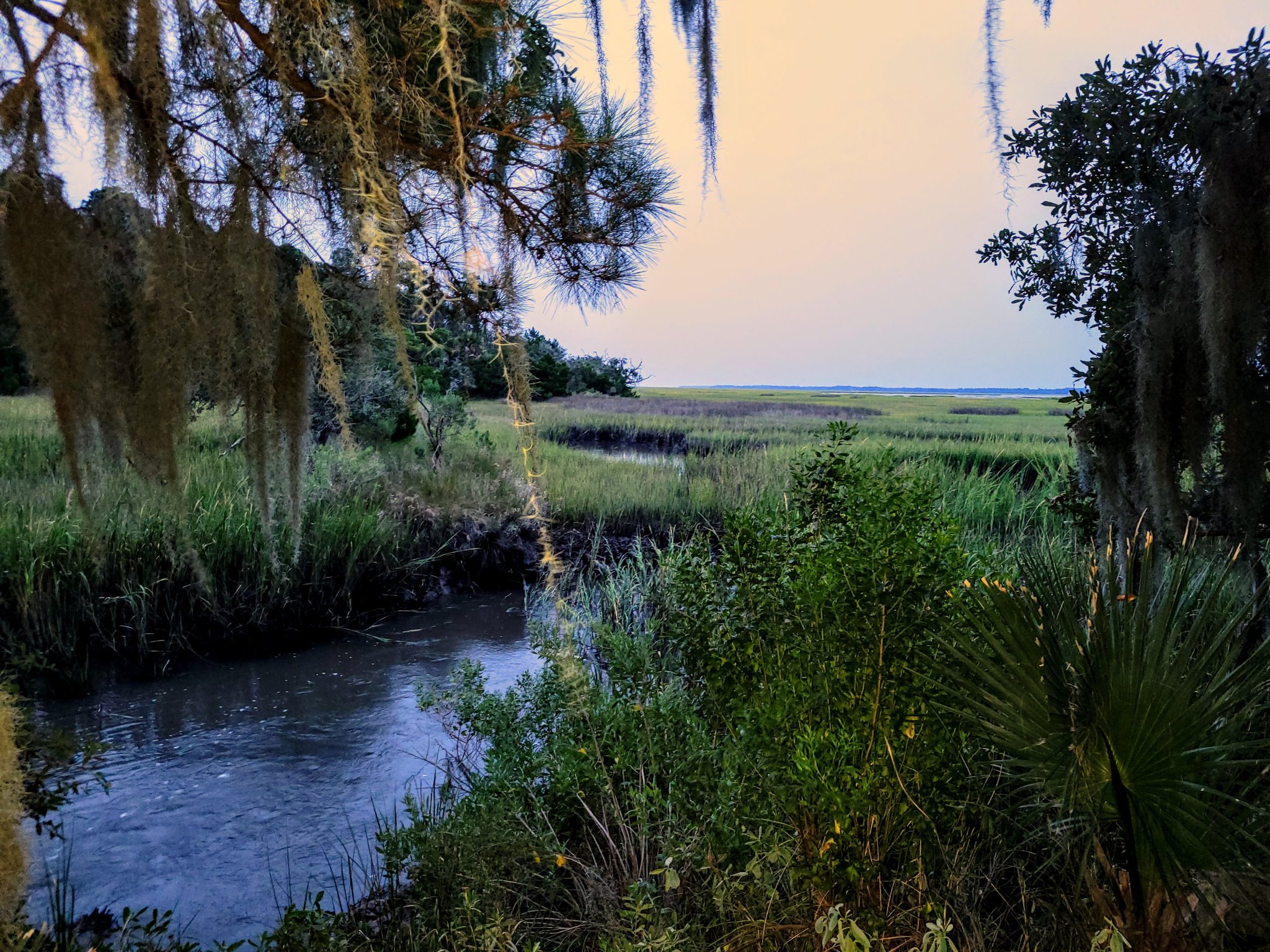
Just here, just losing trees to the west of me, the house is hotter due to the loss of shade. The compost pile is beset with weeds because it is no longer in the shade. The pond lost many of the trees that once surrounded it. The creatures who live in this area lost dozens of Oaks, so their acorns as lost we well.

The squirrels could at one point in time, travel from the woods west of the house, through the trees and never touch the ground getting to any point on my property. The front yard is down to one Live Oak and the back has two. The far back of the property has one giant and two smaller Live Oaks.

As more trees are felled by the wind, those left as left with as much defense as they have known in the past. The water oaks in the back of the property grew up tall, not thick, because there were so many of them. But one by one, those on the edge have been felled by water or wind, and now the rest stand more exposed.

Back when I first started putting up fences so the dogs could have room to roam, I also cleared a lot of the vines and bramble. The dogs helped by running around the perimeter and beating a path out there, and then making another bisecting at the back of the property, and slowly there were connections between paths and paths around thing they like to climb on.

I thought, I truly believed, once the first tree in the back was tall enough to house a Cardinal nest, and they returned for years to nest in that same tree, that when I left this place, feet first or relocation, I would see it as a place with more trees.

I was wrong.

Take Care,

Mike

This picture shows how much the bramble has grown. It would swallow Wrex

this tree fell Monday night

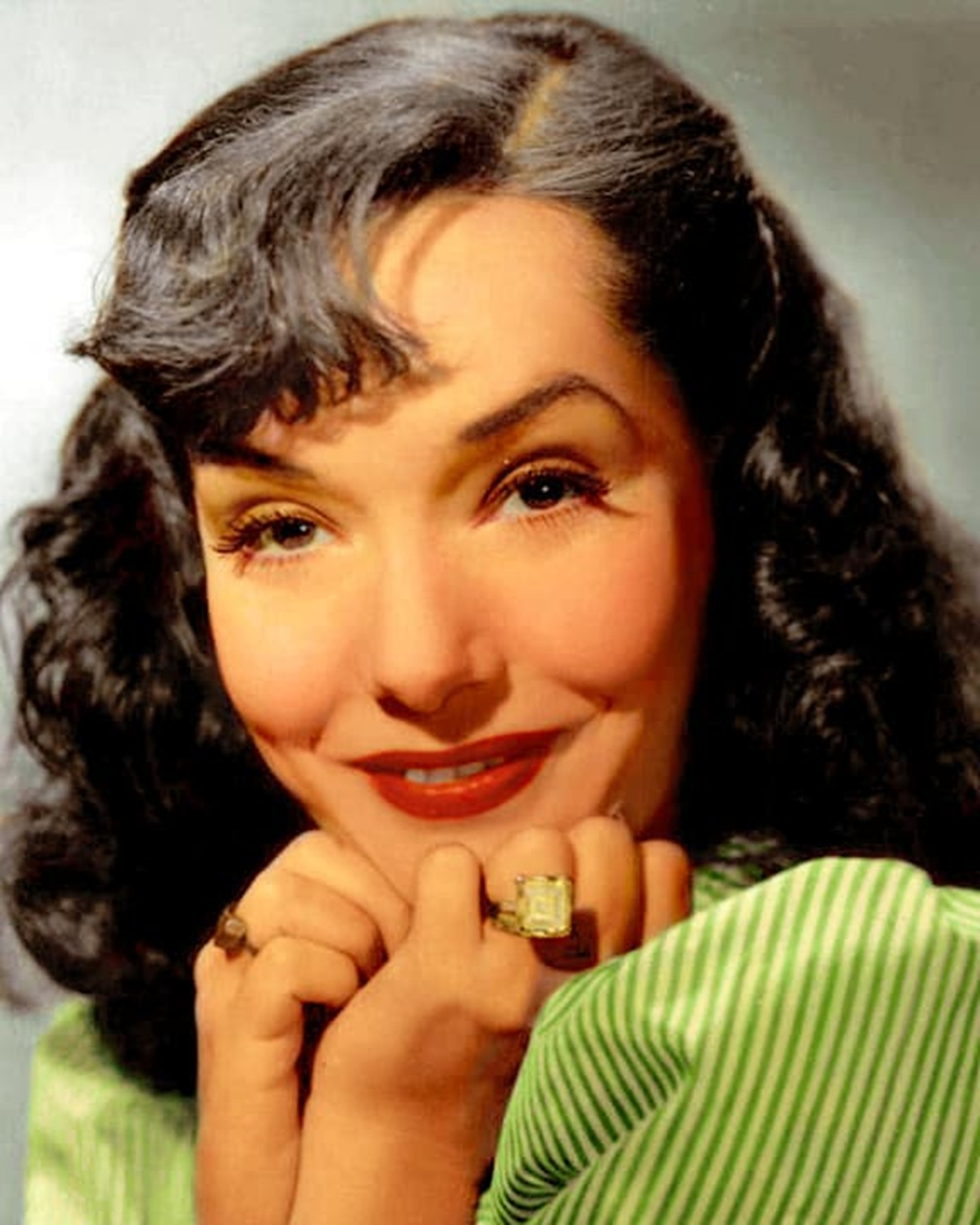
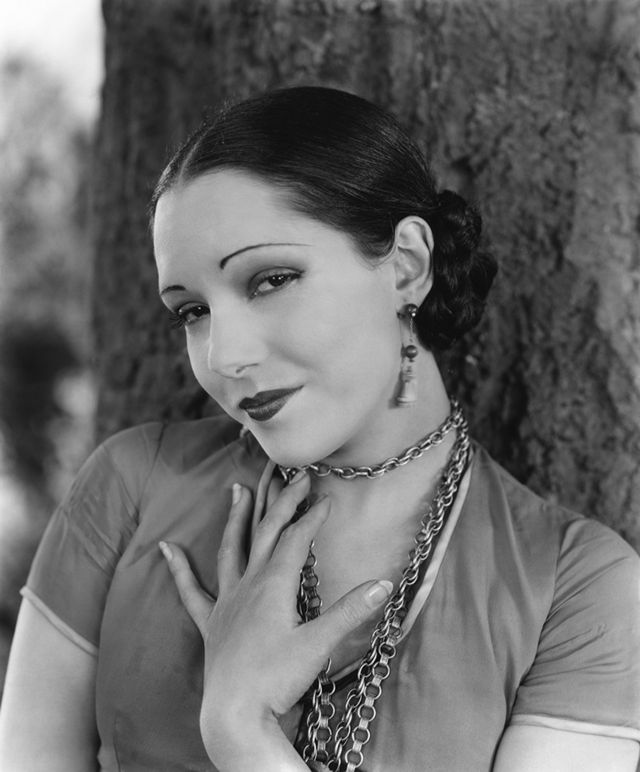
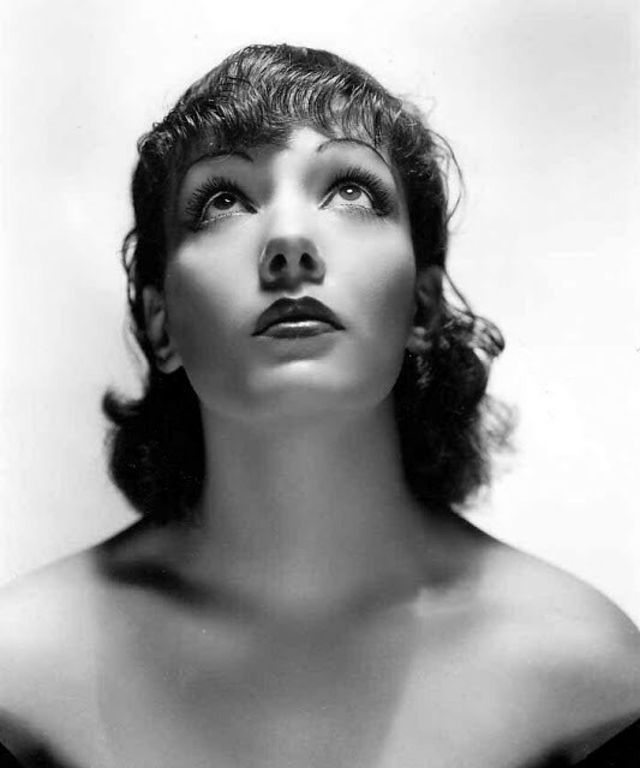
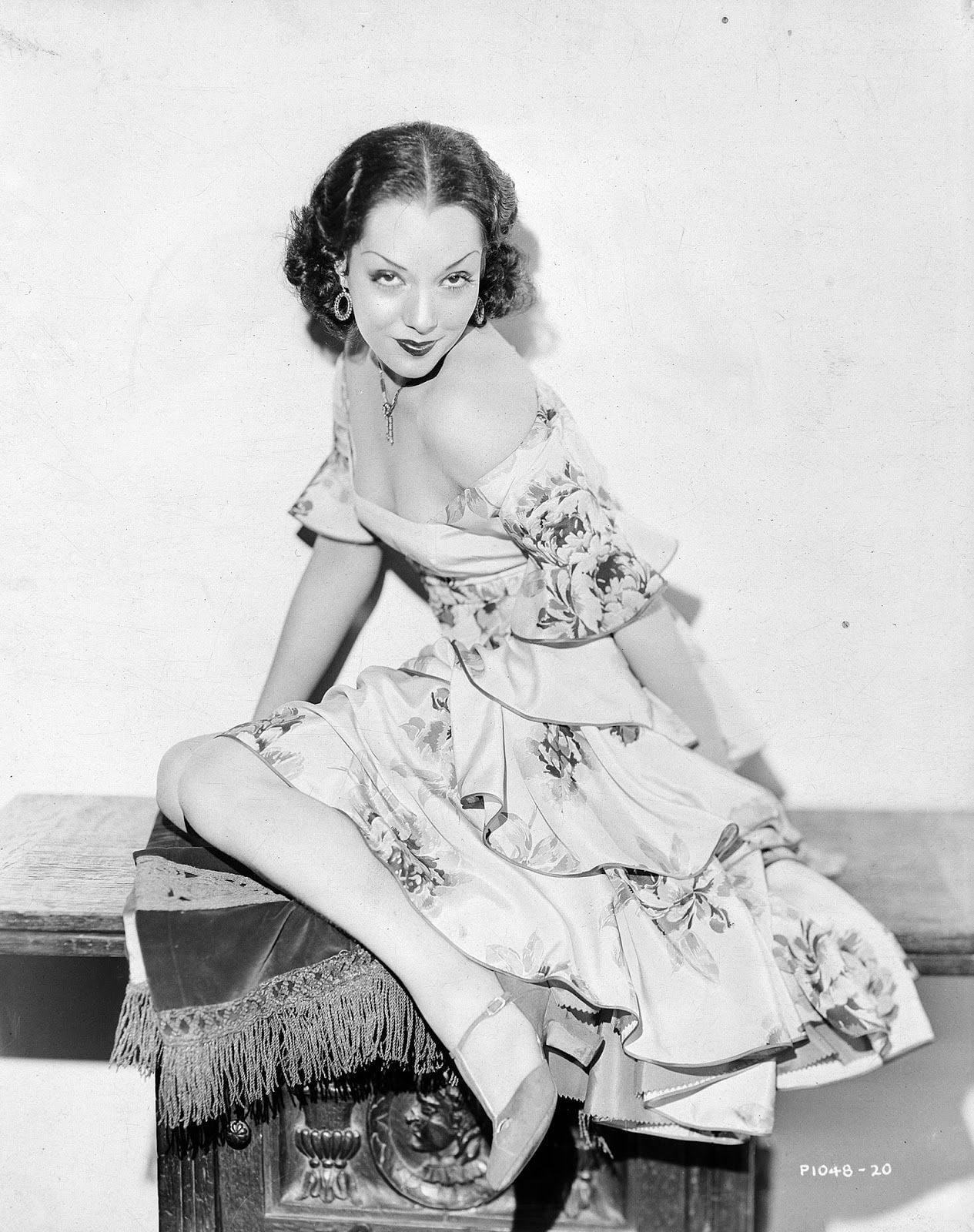
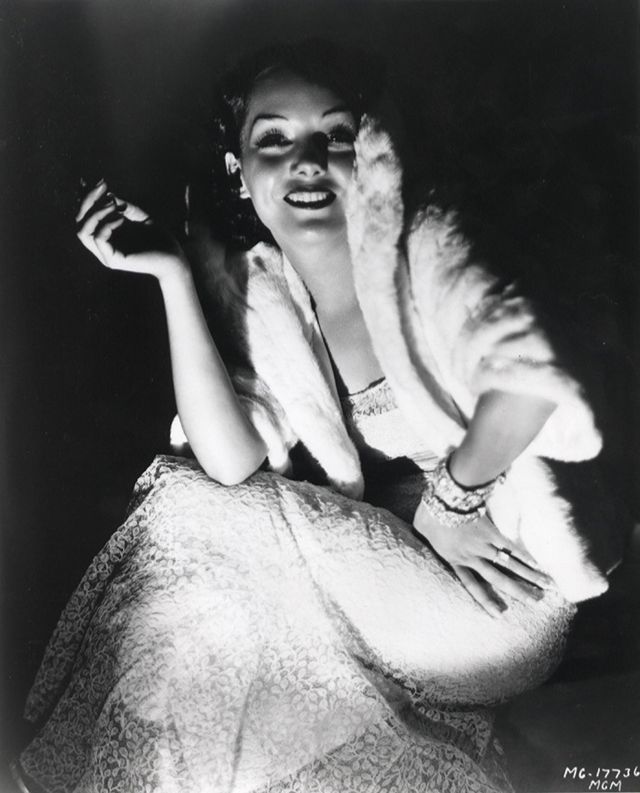
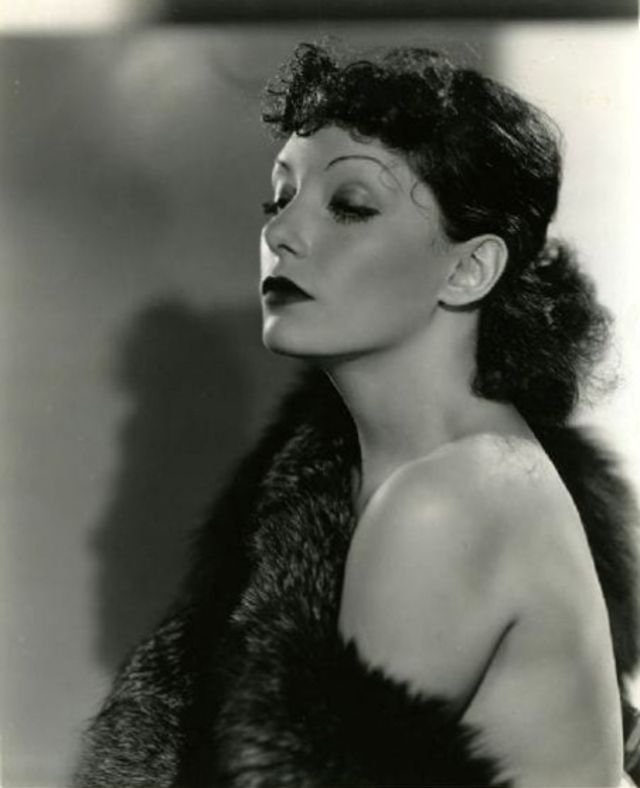
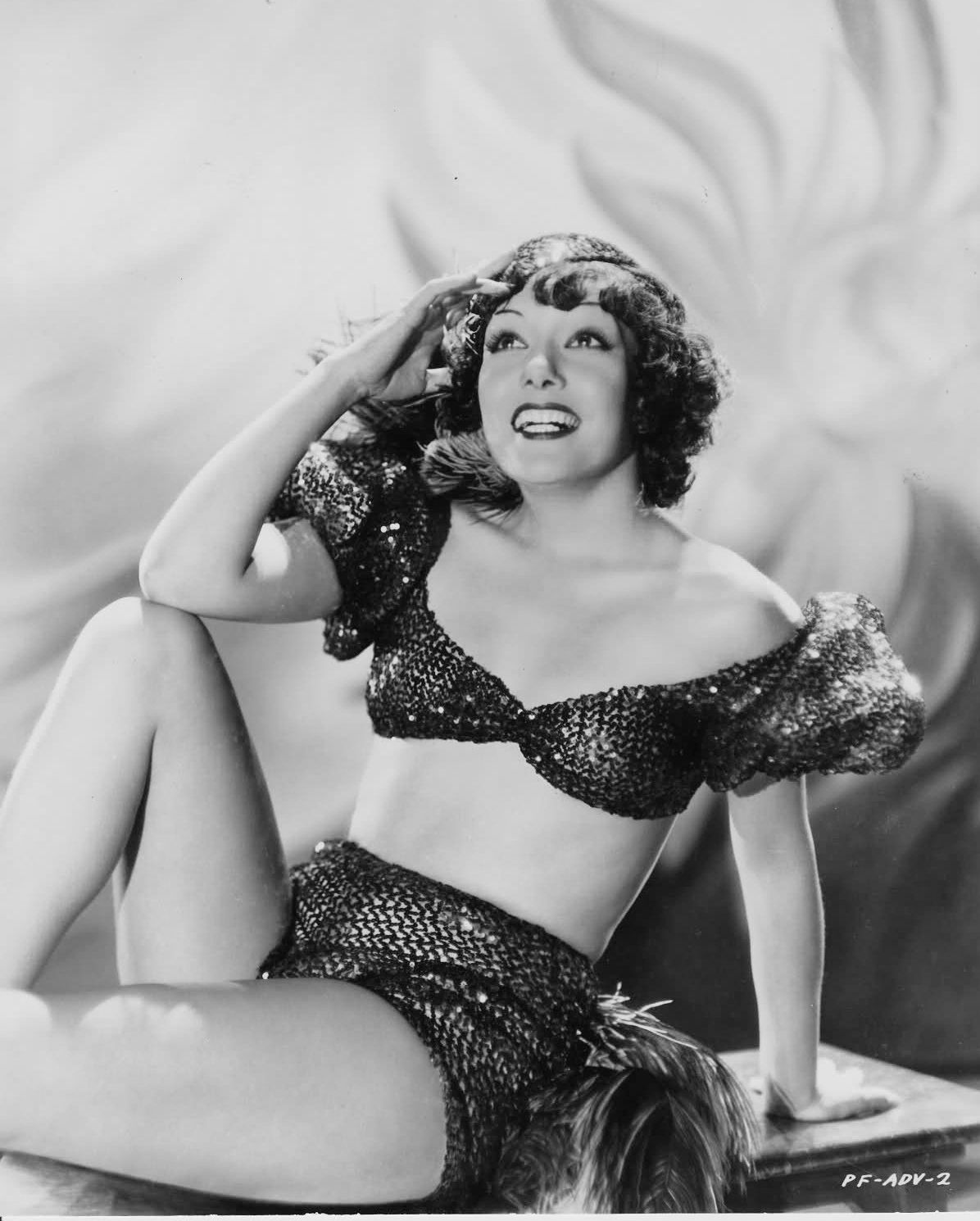
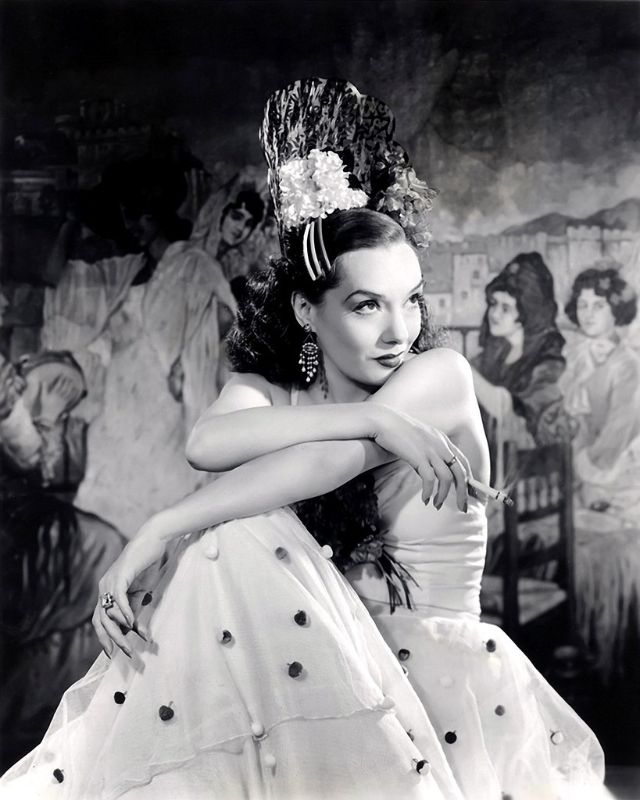
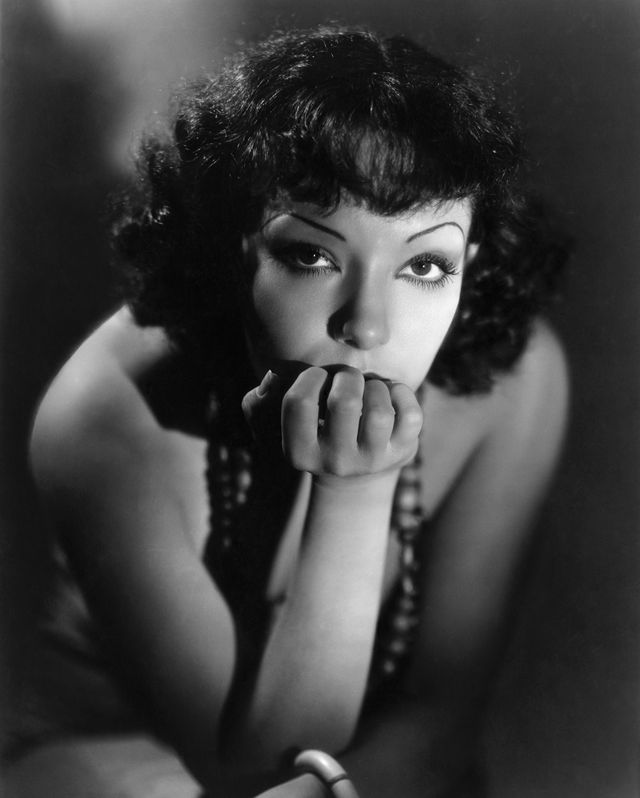
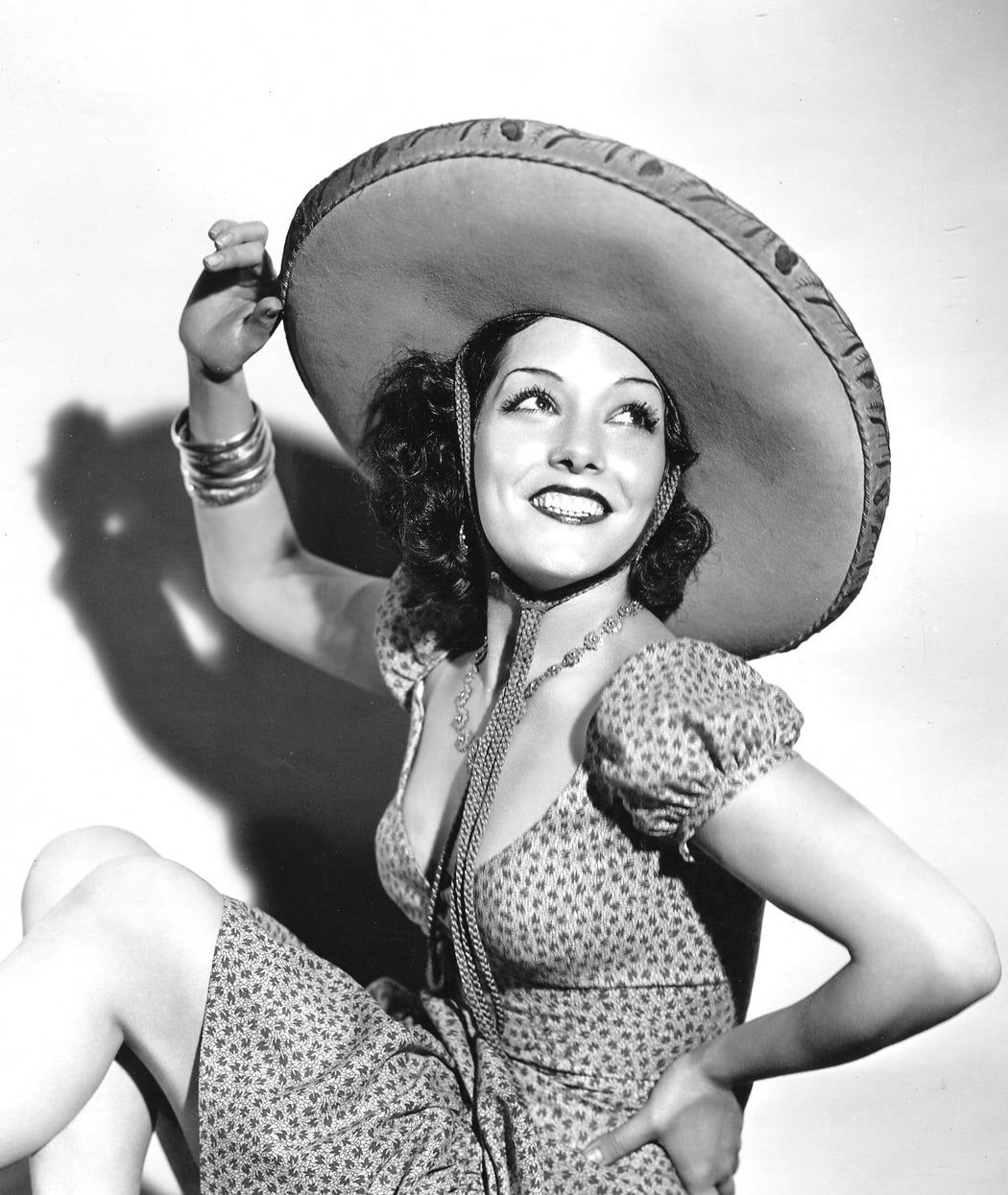
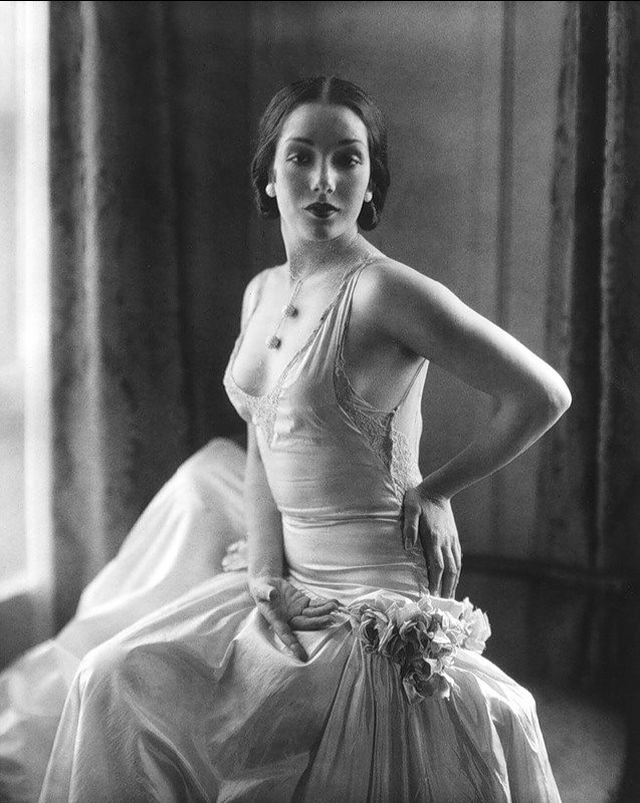
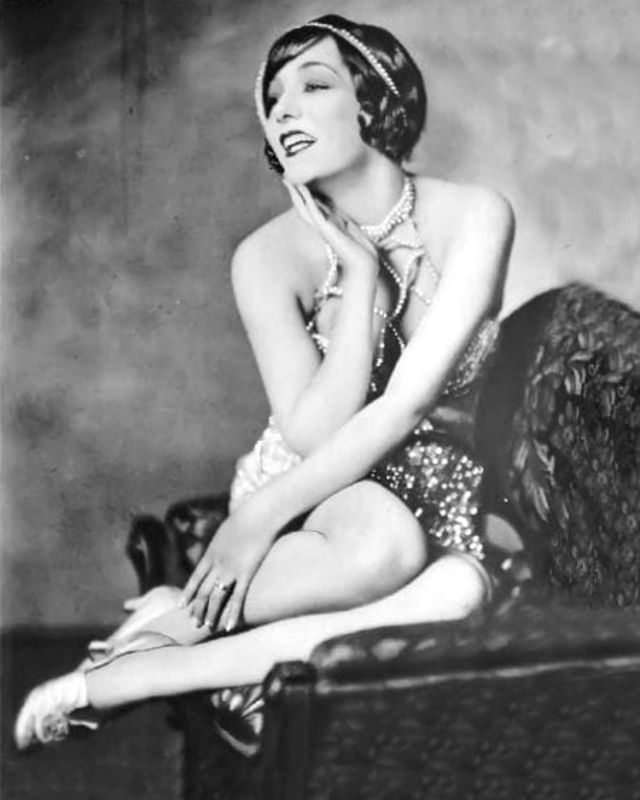
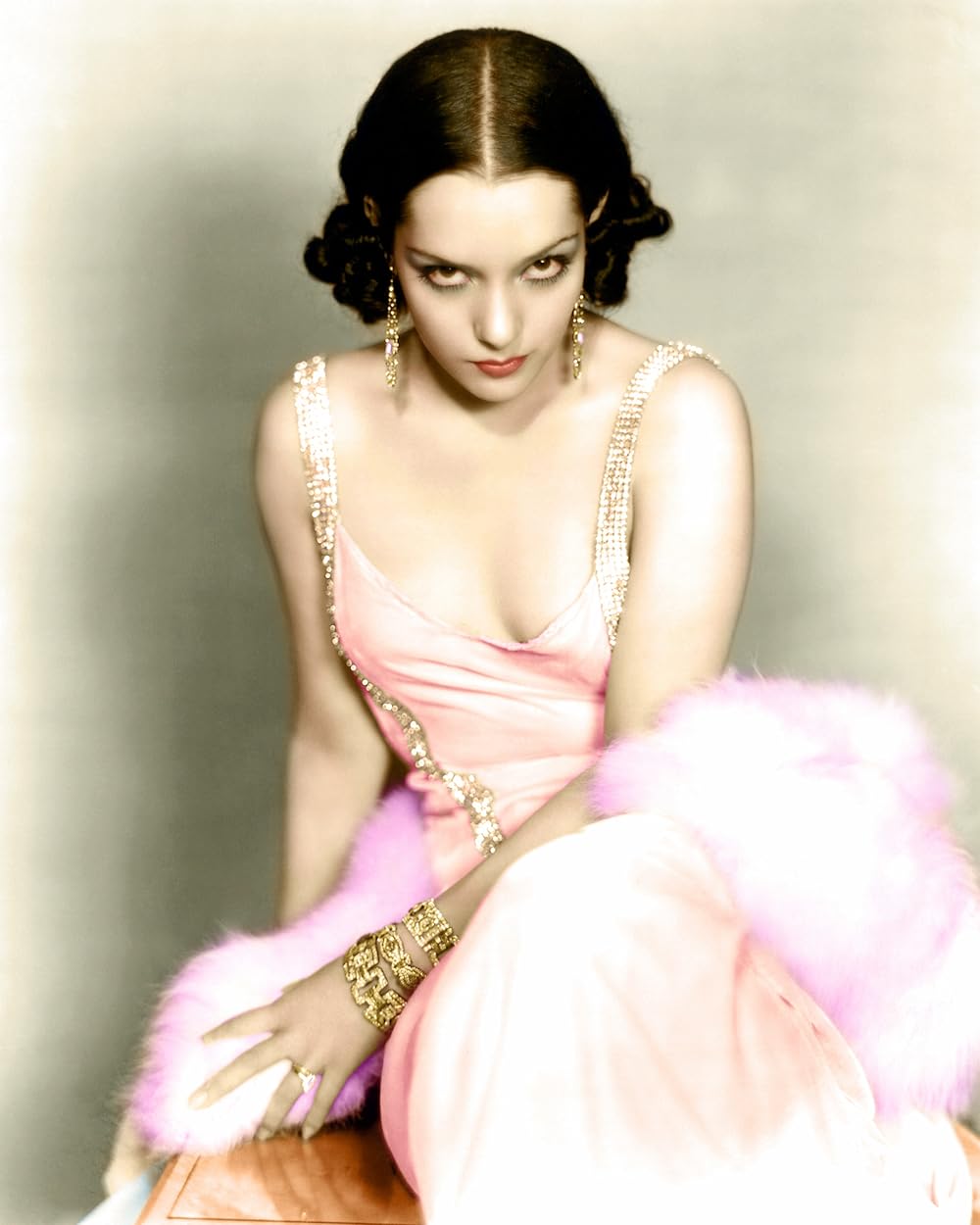
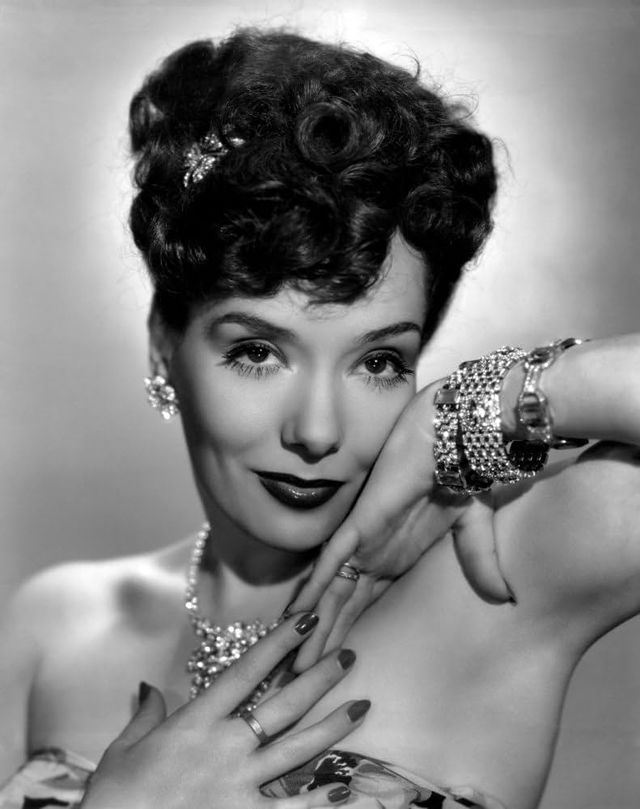
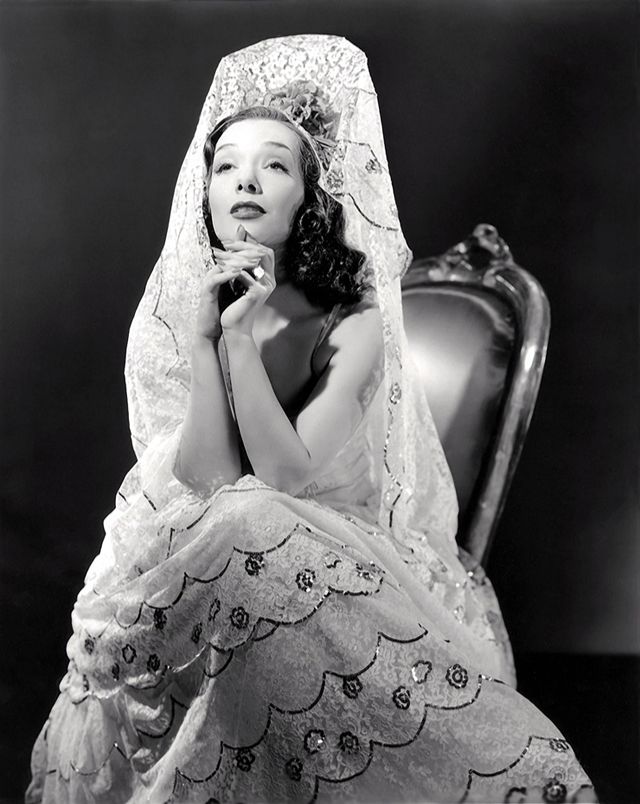
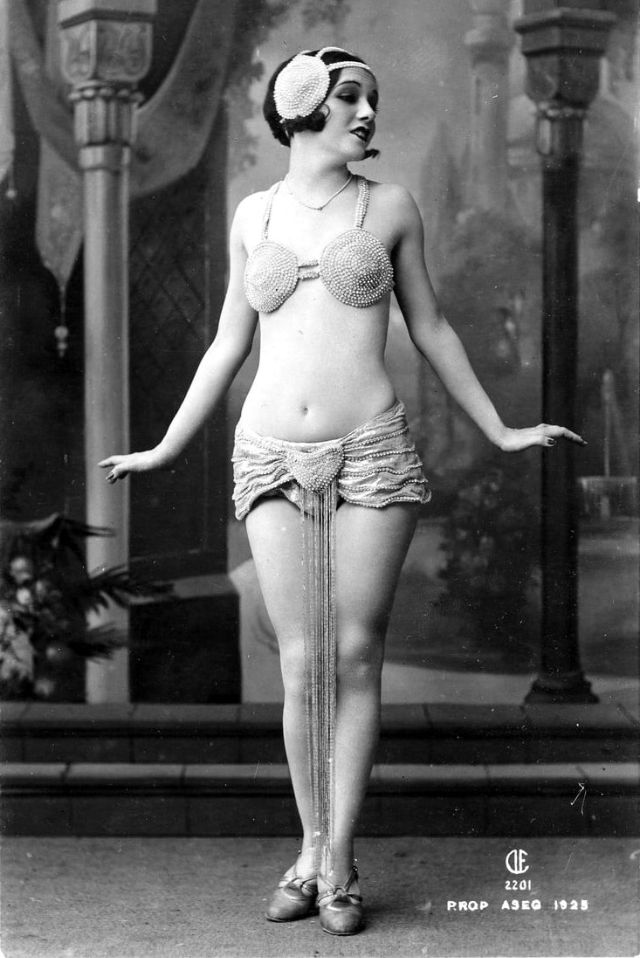
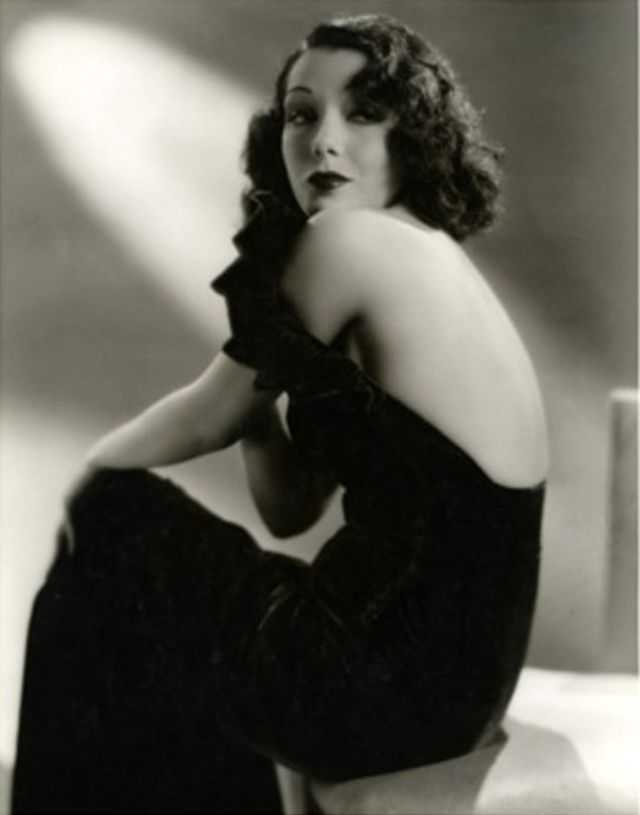
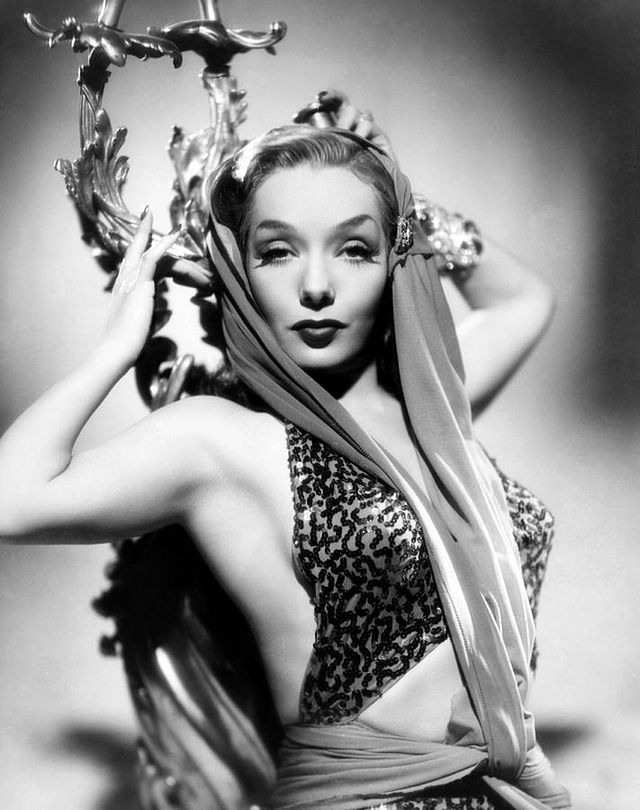
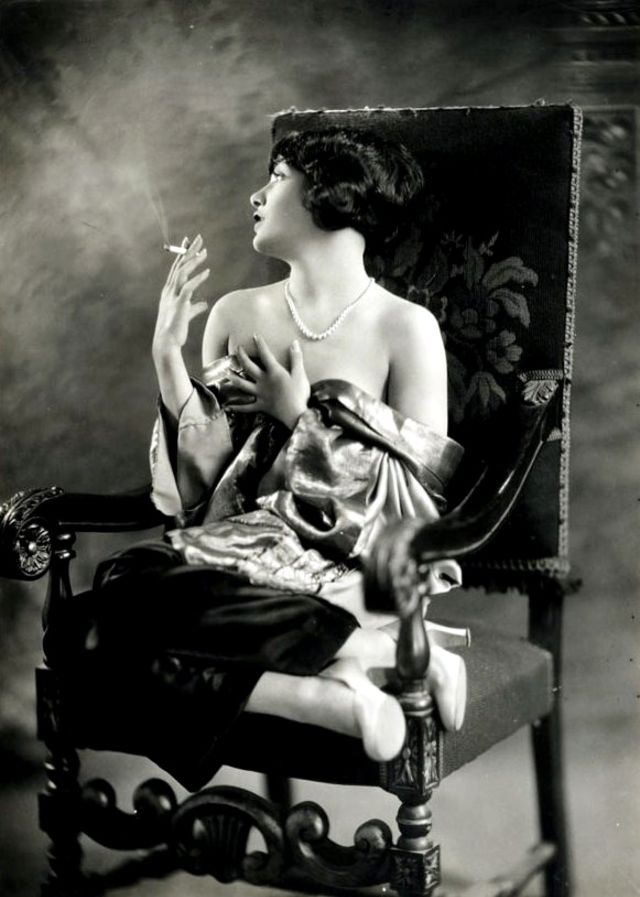
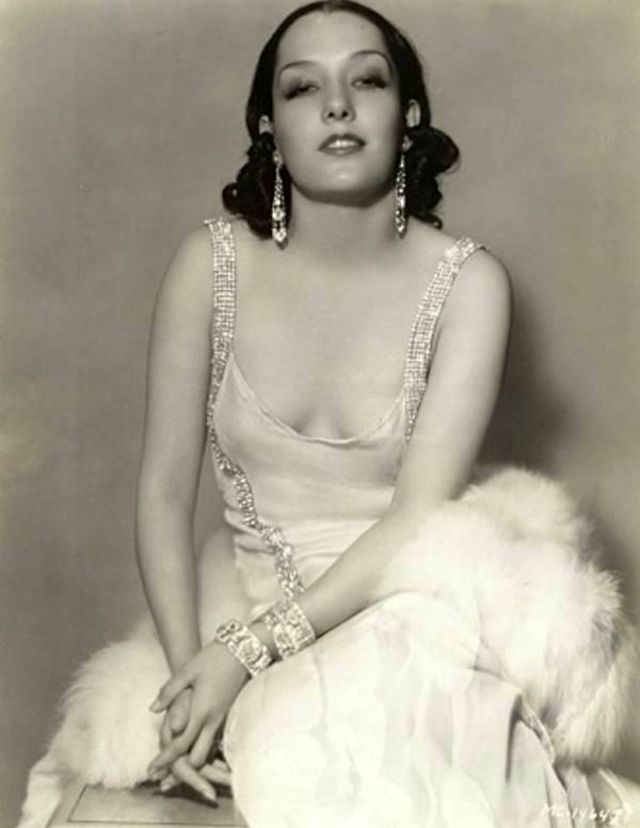
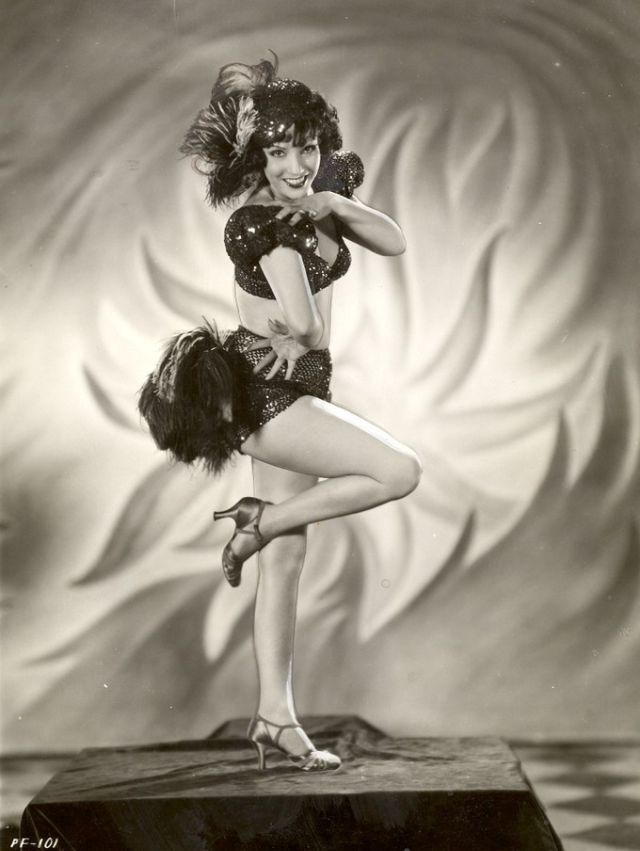
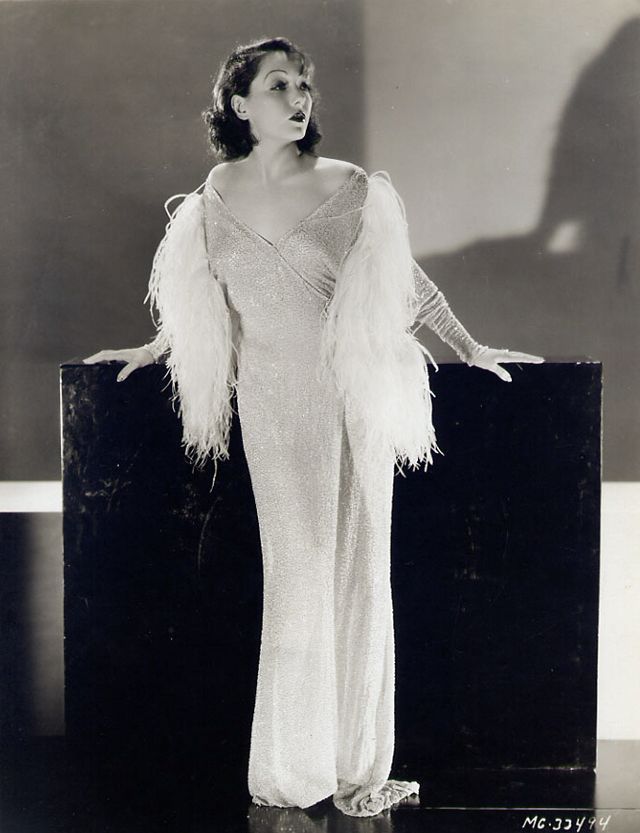
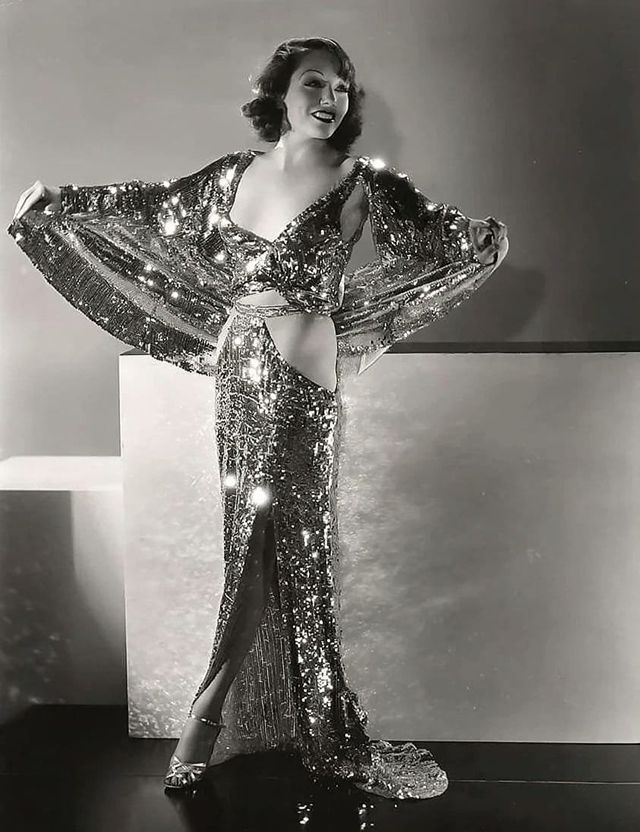
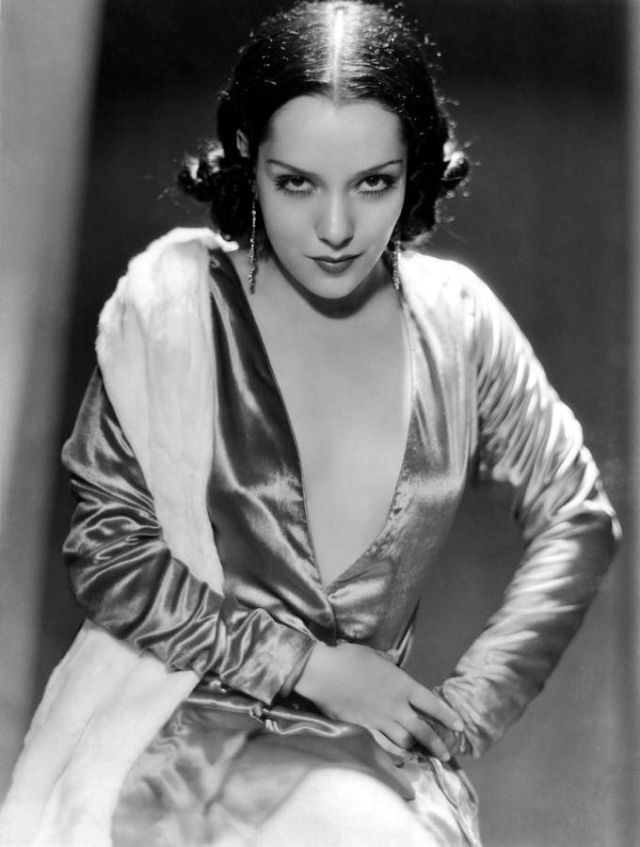
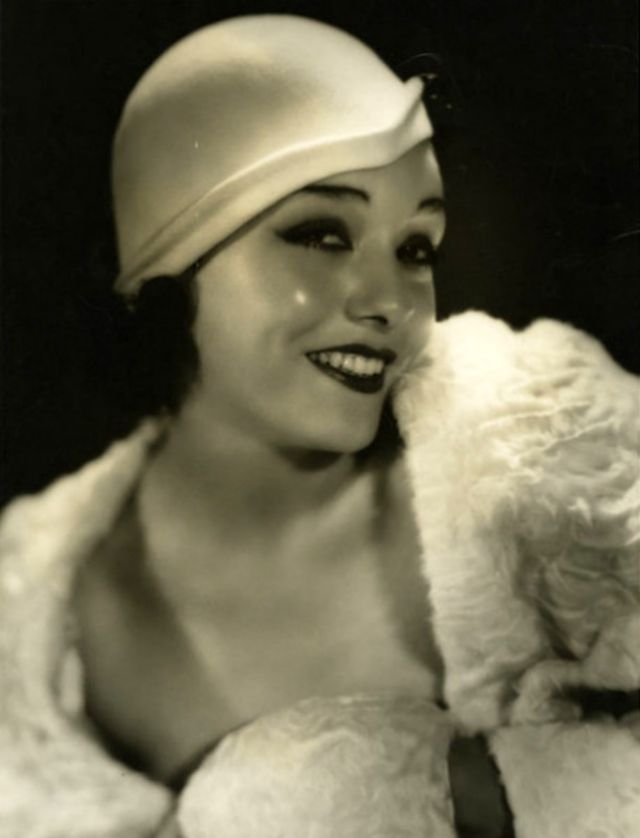
Mary Elizabeth Riggs (1895-1975)

Known as Evelyn Brent, she began her film career working as an extra under her birth name at New Jersey film studio Fort Lee Studios, appearing in films such as A Man from Mars, A Gentleman From Mississippi and Maurice Tourneur’s The Pit (1914), before her major debut in the 1915 silent film production of Robert W. Service’ poem “The Shooting of Dan McGrew” (1915).

Brent became a protégé of Olga Petrova who was an influence on Brent’s independent-minded attitude and preference for darker vampish movie roles. Brent appeared alongside Petrova in pioneering female filmmaker Alice Guy-Blaché’s The Heart of a Painted Woman (1915). Brent was first credited under her stage name Evelyn Brent in The Lure of Heart’s Desire (1916) for Metro Pictures in the role of Little Snowbird, alongside Edmund Breese.

1923 saw Brent’s career receive a major boost when she was chosen as one of the WAMPAS Baby Stars.

After a year-long contract that resulted mostly in minor westerns and melodramas, Evelyn signed with Film Booking Office (FBO), which immediately launched her as the “Queen of the Underworld” with a series of crook dramas including Silk Stocking Sal (1924), Midnight Molly (1925), Alias Mary Flynn (1925), Smooth as Satin (1925), Lady Robinhood (1925), and Queen o’Diamonds (1925).

By the early part of the 1930s, she was working in secondary roles in a variety of films as well as touring with vaudeville shows. In 1936, she played William Boyd’s love interest/femme fatale in Hopalong Cassidy Returns (1936). However, by 1941, she was no longer in demand by major studios, and she found work at smaller, low-budget studios.

Evelyn Brent photographed attractively with leading men who were at advanced ages and later stages in their careers: Jack Holt in the Columbia serial Holt of the Secret Service (1941), Neil Hamilton in PRC’s production Dangerous Lady (1941), and Lee Tracy in the same studio’s The Payoff (1942). In the early 1940s, she was cast in many productions, including Emergency Landing (1941), Bowery Champs (1944), The Golden Eye (1948), and Again Pioneers (1950). After performing in more than 120 films, she retired from acting in 1950 and worked for a number of years as an actor’s agent. She returned to acting in television’s Wagon Train (1960) S3 E14 “The Lita Foladaire Story”

She passed away in 1975 from a heart attack, aged 79